
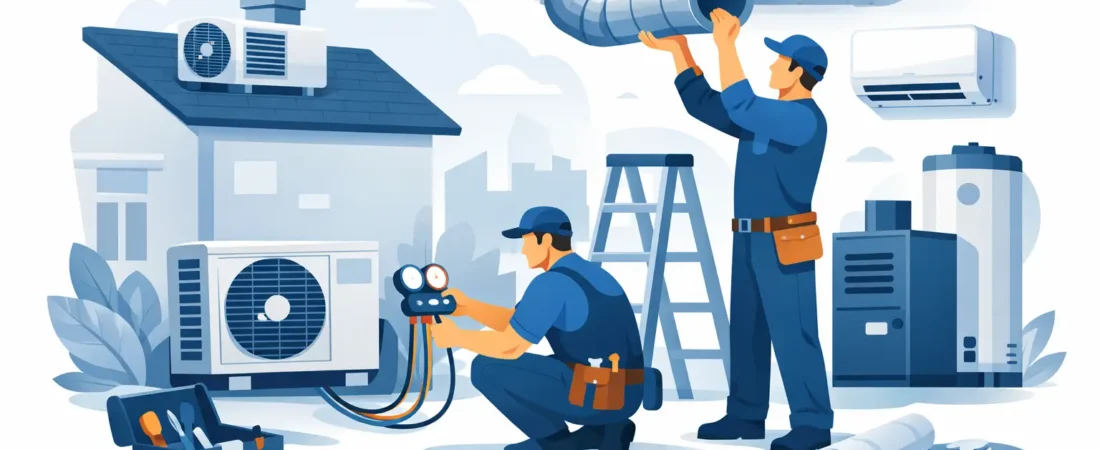
If your AC keeps struggling, your furnace is on its last leg, or you’re finishing a remodel and need real climate control, this question comes up fast: what is HVAC installation? In plain terms, it’s the process of putting in a new heating, ventilation, and air conditioning system so your home or small commercial space stays comfortable, efficient, and safe.
That sounds simple enough, but a proper installation is a lot more than swapping one box for another. HVAC installation includes system sizing, equipment selection, ductwork evaluation, electrical connections, refrigerant setup, airflow testing, thermostat configuration, and final performance checks. When it’s done right, your system runs better, lasts longer, and wastes less energy. When it’s rushed or poorly planned, even brand-new equipment can disappoint.
What is HVAC installation in real life?
In real life, HVAC installation means building the right comfort system for the space you actually have, not the one somebody guesses at from the driveway. It may involve installing a central air conditioner and furnace, a heat pump, an air handler, ductless mini-splits, new ductwork, or a combination of those pieces.
For homeowners, that often happens when an old system fails, repair costs keep stacking up, or energy bills start climbing for no clear reason. For property managers and small business owners, installation may come up during tenant improvements, equipment replacement, or upgrades meant to improve reliability and lower operating costs.
The key point is this: installation is not just about the equipment itself. It’s about how all the parts work together inside your building. The size of the unit, the condition of the ducts, the thermostat placement, the insulation level, and even the layout of the rooms all affect performance.
What an HVAC installation usually includes
A full HVAC installation starts before any tools come out. A contractor should evaluate the property, ask how the space is used, and look at existing heating and cooling issues. If one room is always hot, airflow is weak, humidity feels off, or your current system runs nonstop, those details matter.
From there, the job typically includes removing old equipment if there is any, preparing the site, and installing the new system components. That may mean the outdoor condenser, indoor coil, furnace, heat pump, air handler, refrigerant lines, drain lines, electrical connections, venting, and thermostat. In some cases, ductwork also needs repairs, sealing, resizing, or full replacement.
Then comes the part many people never see but absolutely pay for over time: startup and testing. A quality install should include checking refrigerant charge, verifying airflow, testing controls, confirming safe operation, and making sure the system is performing the way it was designed to perform. A clean-looking install is nice. A properly functioning one is what actually keeps you comfortable.
HVAC installation is not the same as HVAC replacement
People use these terms interchangeably, and that’s understandable, but there can be a difference. Replacement usually means taking out an existing unit and putting in a new one of a similar type. Installation is broader. It can include first-time system setup in a new space, major redesigns, or adding equipment where none existed before.
That distinction matters because the scope affects cost, labor, and timeline. Replacing a furnace with a similar model may be fairly straightforward. Installing a heat pump system in an older property with outdated electrical service or bad duct design is a different kind of project.
How the process works from estimate to startup
A good HVAC installation follows a clear sequence. First comes the estimate and assessment. This is where an experienced contractor should look beyond square footage and ask the right questions about comfort problems, usage patterns, insulation, and building layout.
Next is system selection. This is where many jobs go right or wrong. Bigger is not always better in HVAC. An oversized unit can short cycle, create uneven temperatures, and wear out faster. An undersized one may run constantly and still leave you uncomfortable. The right fit depends on the structure, not just the old equipment label.
After that, scheduling and prep begin. On install day, the crew removes old components if needed, sets the new equipment, connects everything safely, and checks that supporting parts like ductwork, drain lines, and electrical connections are in good shape. Once the system is started, it should be tested, adjusted, and explained to the customer in plain language.
A solid contractor should also tell you what to expect after the installation. That includes basic maintenance, filter changes, thermostat use, and signs that something may need follow-up.
Why proper sizing and design matter so much
If you remember one thing about what is HVAC installation, remember this: the install quality matters as much as the equipment brand. Even a high-end system can perform poorly if it’s oversized, badly connected, or paired with leaky ducts.
Proper sizing affects comfort, humidity control, noise, and efficiency. In cooling mode, a system that is too large may lower the temperature quickly but fail to remove enough humidity. That can leave the house feeling cold and clammy at the same time. A system that’s too small may keep running without ever quite catching up.
Design matters too. Ductwork that is too small, poorly sealed, or routed with sharp restrictions can choke airflow. A badly placed thermostat can cause uneven operation. Weak return air setup can make certain rooms harder to heat or cool. These aren’t small details. They’re the reason some systems feel great and others never seem quite right.
What types of systems can be installed?
The most common residential setup is a split system, where part of the equipment sits outside and part sits indoors. That may be an AC with a furnace, or a heat pump with an air handler or furnace depending on the climate and goals.
Ductless mini-splits are another option, especially for additions, older homes without ducts, garages, or spaces with room-by-room comfort issues. They can be efficient and flexible, though they aren’t the perfect answer for every layout.
For light commercial properties, rooftop units, split systems, and packaged units may all be part of the conversation. The right system depends on square footage, occupancy, operating hours, and how the space is used day to day.
This is where cookie-cutter recommendations fall apart. The best installation is the one that fits the building, budget, and comfort priorities – not the one a contractor happens to stock most often.
How long does HVAC installation take?
It depends on the job. A straightforward residential replacement may take a day. A more involved project with duct modifications, electrical updates, or multiple indoor units can take longer. Commercial installations may stretch further depending on access, code requirements, and scheduling.
Homeowners should expect a little noise, some disruption, and time for testing. That said, a well-organized install should feel controlled, not chaotic. Good communication matters here. You should know what is being installed, how long it should take, and whether there are any issues that need attention before the job starts.
What affects HVAC installation cost?
Cost depends on system type, equipment size, efficiency rating, labor complexity, and whether related components need work too. If your ductwork is damaged, your electrical service needs upgrades, or your drain setup is wrong, those items can change the price.
This is why quote shopping based only on the bottom number can backfire. One estimate may include proper testing, new line sets, code upgrades, and duct corrections. Another may leave those items out to look cheaper upfront. The lower price is not always the better value if it leads to performance issues later.
A clear quote should explain what is included and what is not. If something sounds vague, ask. You want straight answers before installation day, not surprises after.
How to tell if you need a new installation
Sometimes the answer is obvious. If your system is dead, leaking badly, or using outdated components that are expensive to replace, installation may be the practical move. Other times it’s more of a judgment call.
If repairs keep piling up, rooms are consistently uncomfortable, humidity feels off, or your utility bills are climbing while performance drops, it may be time to look at replacement instead of another patch job. Age matters too. Older systems can still run, but that doesn’t always mean they’re running well.
An honest contractor should walk you through the trade-off. In some cases, repair makes sense. In others, a new installation gives you better reliability and lower operating costs over time.
What to expect from a trustworthy HVAC contractor
A trustworthy installer should inspect the space, explain your options clearly, and avoid pushing a one-size-fits-all answer. They should talk about comfort, efficiency, and long-term performance, not just tonnage and price.
That owner-operator accountability is a big reason people prefer working with experienced local pros. With Danny HVAC, for example, customers get direct expert input shaped by 15 years in the field, along with a more human, less cookie-cutter approach to comfort. That’s how installation should feel – clear, tailored, and built to last.
If you’re asking what is HVAC installation, the short answer is putting in a heating and cooling system. The better answer is this: it’s the foundation of your comfort for years to come, so it’s worth getting done with care, not guesswork. When the setup fits the space and the work is done right, your home or business feels the difference every single day.